Optimising Fleet Fuel Efficiency: Top Tips for UK Managers
By FuelRoute Insights · 2026-07-28
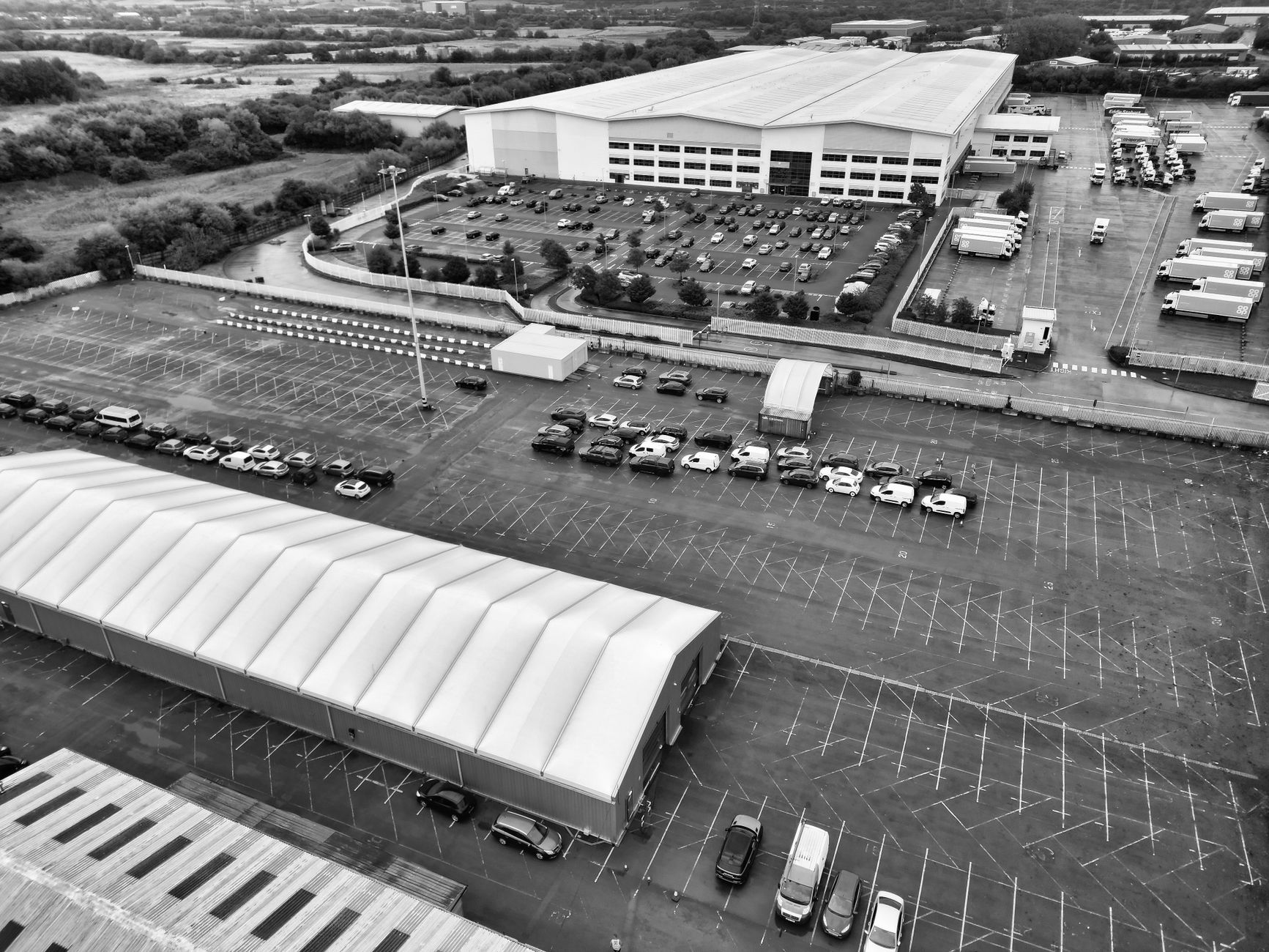
With fuel prices on the rise, ensuring your fleet runs efficiently is more important than ever. As a fleet manager, focusing on fuel efficiency not only cuts costs but also supports sustainability goals. Here’s how you can optimise fuel efficiency across your fleet.
Understanding fuel costs: key metrics and indicators
Knowing your fleet's fuel consumption is vital. Track metrics like miles per gallon (MPG) and fuel spend per mile. Use tools to assess these indicators regularly. This helps identify inefficiencies. For example, a fleet operating around the M25 might encounter traffic delays that skew these numbers, so factor in anomalies like congestion when reviewing your data.
Implementing route planning for optimal fuel savings
Smart route planning can significantly cut fuel costs. Use a route-fuel-planner to find the most efficient routes, particularly in congested areas like Birmingham. Avoid peak times where possible and consolidate deliveries to minimise unnecessary travel. A slightly longer route that avoids heavy traffic may save more fuel in the long run.
Driver training and monitoring: enhancing on-road efficiency
Investing in driver training is essential. Teach your drivers to maintain steady speeds and avoid unnecessary idling, which consumes fuel. Tools that monitor driving behaviour can highlight areas for improvement. For instance, analysing a delivery van's journey on the A1 may reveal instances of hard braking that could be corrected for better fuel management.
Regular vehicle maintenance: ensuring peak performance
Routine vehicle maintenance can prevent costly inefficiencies. Regularly check tyre pressure and wheel alignments, as improper settings can lead to increased fuel consumption. Scheduled servicing ensures that engines run smoothly, further enhancing efficiency. A well-maintained fleet vehicle navigating the streets of Edinburgh will consume less fuel and perform better overall.
Leveraging technology: fuel tracking and data analytics
Investing in technology to track fuel usage offers substantial benefits. Use data analytics to identify patterns and adjust your strategies accordingly. This might involve changing fuel suppliers or modifying routes on the fly based on real-time data. Consider integrating software solutions that provide immediate insights into your fleet’s performance for better decision-making.
Case studies: successful fleet fuel management stories
Many UK fleets have successfully reduced fuel costs through focused strategies. For example, a logistics firm adopted telematics and saw a 15% reduction in fuel bills within six months. Another company saved thousands annually by switching to more efficient vehicles. These cases illustrate what is achievable with the right approach.
Building a fuel-efficient fleet with FuelRoute
By implementing these strategies, you can enhance your fleet's fuel efficiency and cut costs. This will benefit both your business and the environment. For additional resources, check our fuel finder or explore our UK fuel price index. Start small, review your strategies regularly, and you'll likely see a positive impact on your fleet's bottom line.
Fuel price data context is derived from the UK Government Fuel Finder Scheme, licensed under the Open Government Licence v3.0.